
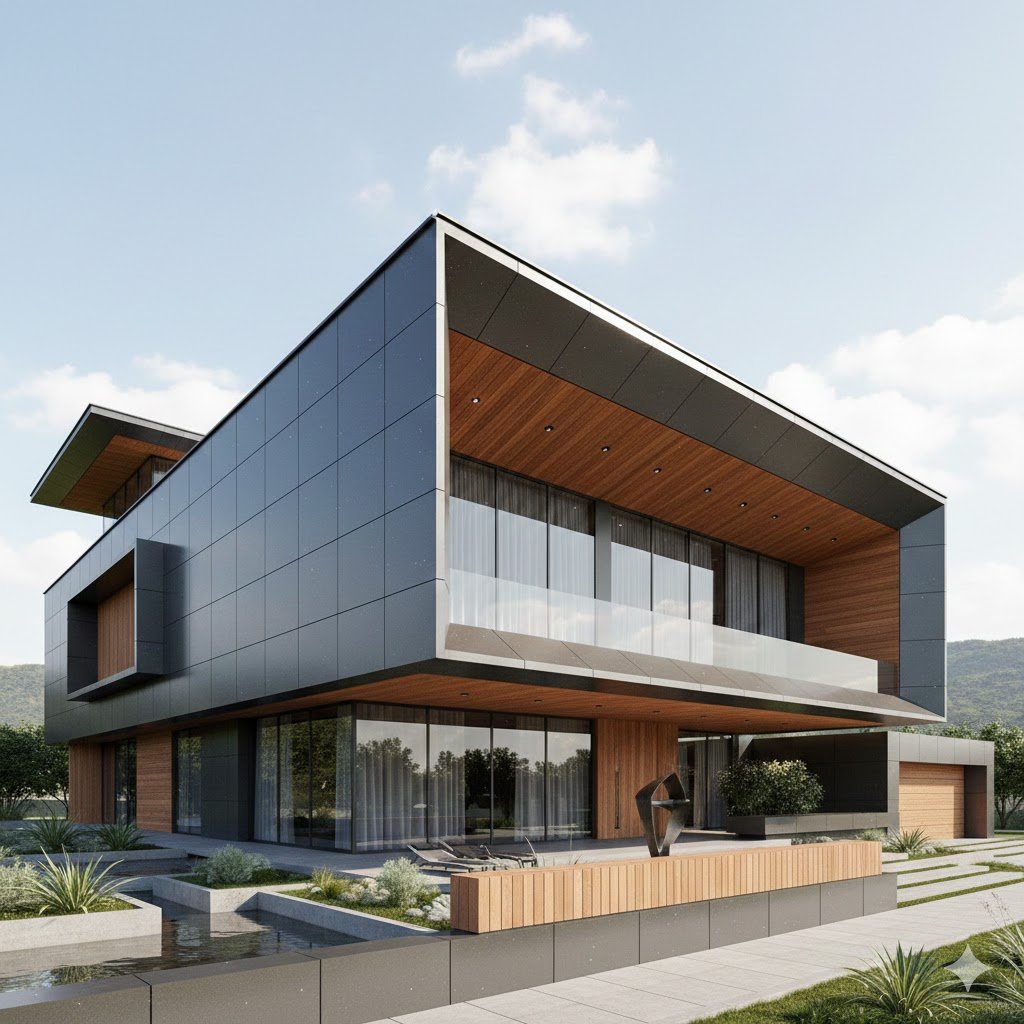
In modern commercial architecture, exterior materials play a critical role in defining both the appearance and durability of a building. Developers, architects, and builders must choose facade materials that can withstand environmental conditions while maintaining a premium look for years.
Among the many facade solutions available today, exterior HPL sheets have emerged as one of the most reliable and visually appealing cladding materials for commercial projects.
From office towers and hotels to hospitals and educational campuses, high pressure laminate panels are now widely used across the world for modern building facades.
Why Exterior HPL Sheets Are Popular in Commercial Architecture
Commercial buildings require facade materials that deliver long-term performance. Unlike residential projects, commercial structures face higher exposure to environmental conditions and daily wear.
Exterior HPL sheets are designed specifically to meet these challenges.
They offer several advantages including:
- Excellent durability
- Strong resistance to UV rays and moisture
- Attractive architectural finishes
- Long service life
- Minimal maintenance requirements
Because of these benefits, architects often consider HPL panels as a reliable exterior cladding solution.
Key Factors to Consider When Choosing Exterior HPL Sheets
Selecting the right HPL sheets for a commercial building requires careful evaluation. Several important factors should be considered before making a final decision.
1. Weather Resistance
Commercial buildings are constantly exposed to changing weather conditions. Exterior HPL panels must be able to withstand rain, sunlight, humidity, and temperature variations without fading or losing their structural strength.
High-quality HPL panels are designed with protective surface layers that provide strong resistance against UV radiation and environmental damage.
2. Panel Thickness and Strength
Thickness plays a crucial role in determining the durability of facade panels. For exterior applications, thicker panels generally offer better structural performance and stability.
Architects typically select HPL sheets that provide the right balance between strength, weight, and installation efficiency.
3. Design and Aesthetic Flexibility
Modern architecture emphasizes unique facade designs. Exterior HPL sheets are available in a wide range of finishes such as:
- Wood grain textures
- Stone-inspired surfaces
- Solid contemporary colors
- Matte architectural finishes
These design options allow architects to create visually striking facades that enhance the overall appearance of commercial buildings.
4. Maintenance and Long-Term Performance
One of the biggest advantages of HPL sheets is their low maintenance nature. Unlike painted surfaces or natural materials, HPL panels maintain their appearance for many years with minimal cleaning.
This makes them especially attractive for large commercial buildings where maintenance costs can be significant.
Growing Global Demand for HPL Facade Panels
Across many countries, developers are increasingly choosing HPL sheets as a modern cladding material for commercial architecture.
Urban development projects require facade materials that can deliver both durability and aesthetic appeal. High pressure laminate panels meet these expectations while offering design flexibility.
As a result, HPL facade systems are now commonly used in:
- Corporate office buildings
- Retail complexes
- Airports and transportation hubs
- Hotels and hospitality projects
- Universities and institutional buildings
Choosing a Reliable HPL Manufacturer
While HPL sheets offer many advantages, their performance largely depends on manufacturing quality.
Reliable manufacturers focus on producing exterior-grade panels that maintain color stability, structural strength, and weather resistance for many years.
Companies such as HPLMaker are working toward providing high-quality exterior HPL sheets that meet the evolving needs of modern architecture.
The Future of Commercial Facade Design
As architectural design continues to evolve, facade materials must offer a balance of innovation, durability, and sustainability.
Exterior HPL sheets are becoming an important part of this transformation. Their ability to combine design flexibility with long-lasting performance makes them an ideal choice for modern commercial buildings.
Architects around the world are increasingly exploring HPL facade panels as a solution that meets both creative and functional requirements.
Conclusion
Choosing the right facade material is a critical decision in any commercial construction project. Exterior HPL sheets provide a combination of durability, aesthetic appeal, and low maintenance that makes them highly suitable for modern architecture.
With the growing demand for innovative building designs, HPL facade panels are expected to play an even larger role in shaping the future of commercial construction.