
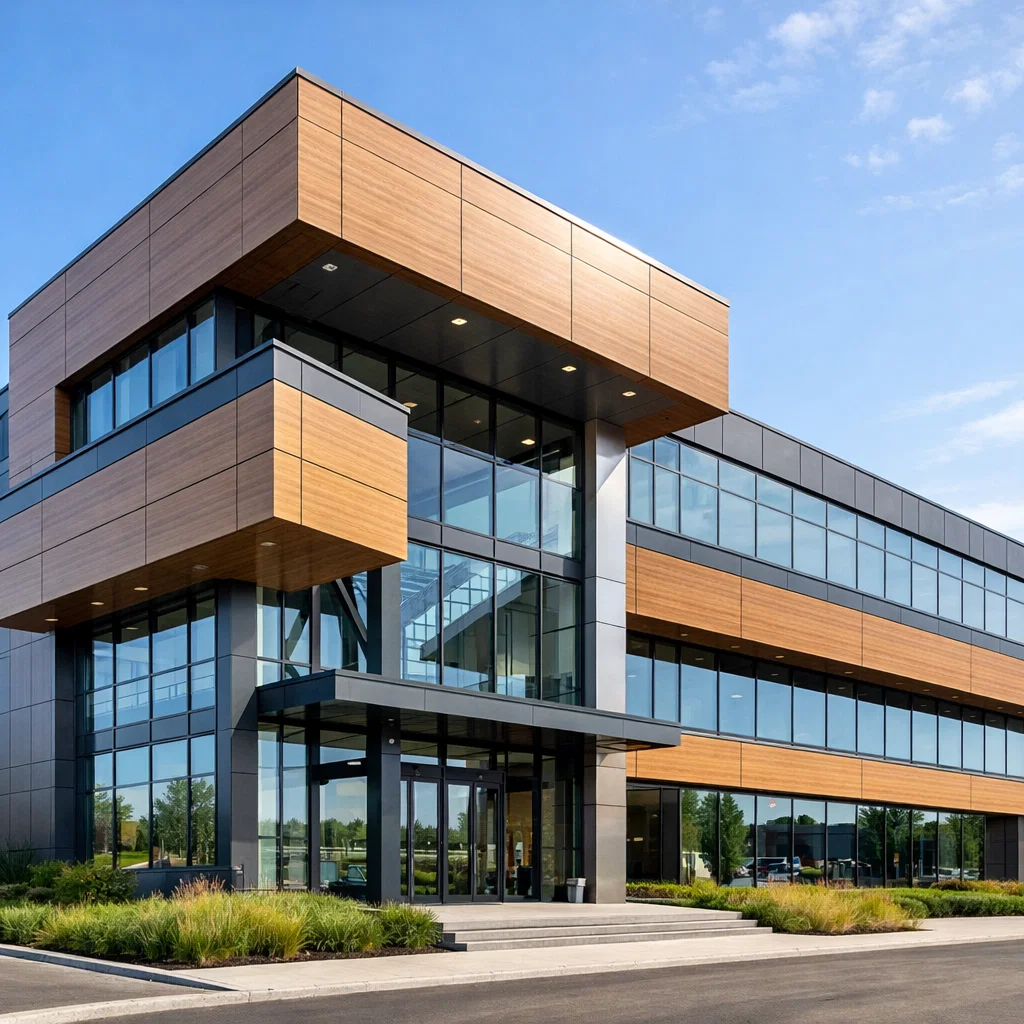
In the world of modern architecture, building facades have become more than just exterior walls. Today, the facade of a building represents identity, creativity, and innovation. Architects across the world are constantly searching for materials that combine durability, aesthetics, and performance.
One material that has been gaining global attention in recent years is HPL facade panels.
From commercial towers in Europe to modern residential buildings in Asia and the Middle East, high pressure laminate panels are becoming one of the most preferred materials for exterior cladding. Their ability to combine design flexibility with long-term durability has made them a powerful solution for modern building facades.
The Changing Face of Global Architecture
Architecture has evolved significantly over the past decade. Modern buildings are no longer designed only for structural strength; they are also expected to create a strong visual impact.
Developers and architects are focusing on materials that can deliver:
- Unique building aesthetics
- Weather resistance
- Sustainable performance
- Long life with minimal maintenance
Traditional facade materials like stone, paint, or metal panels often struggle to deliver all these qualities together. This is where HPL facade panels have started to stand out.
What Are HPL Facade Panels?
HPL stands for High Pressure Laminate. These panels are manufactured by pressing multiple layers of kraft paper and decorative paper under extremely high pressure and temperature.
The process creates a dense and durable architectural panel that is specifically designed for exterior applications.
Modern HPL panels are engineered to withstand harsh environmental conditions including heavy rain, intense sunlight, and temperature changes. This makes them suitable for buildings in different climates around the world.
Why Architects Are Choosing HPL Panels
One of the biggest reasons behind the global rise of HPL facade panels is their design versatility. Architects today want materials that allow creative freedom while maintaining structural reliability.
HPL panels offer exactly that balance.
Design Freedom
HPL panels are available in a wide range of textures and finishes including wood grain, stone effects, matte colors, and modern architectural patterns. This allows architects to design facades that feel unique and contemporary.
Many modern buildings now use wood finish HPL panels to achieve the look of natural wood without the maintenance challenges that come with it.
Durability in Extreme Weather
Building facades must withstand years of environmental exposure. High pressure laminate panels are designed to resist:
- UV radiation
- Moisture and rain
- Temperature fluctuations
- Surface wear
Because of these qualities, HPL facade panels are widely used in cities with challenging climates.
Low Maintenance
One of the biggest advantages of HPL facade panels is their low maintenance requirement. Unlike painted surfaces or natural materials, these panels maintain their appearance for many years without frequent repairs.
This makes them an attractive option for commercial buildings, offices, hospitals, and large residential projects.
A Growing Trend in International Construction
Across many countries, architects are increasingly adopting HPL panels as part of modern facade systems. Large urban developments and commercial projects often require materials that combine aesthetics with long-term reliability.
HPL facade panels meet these expectations by offering a balance between modern design and structural performance.
Because of this, they are now being used in:
- Commercial office buildings
- Shopping malls
- Hotels and hospitality projects
- Residential towers
- Educational institutions
As urban architecture continues to evolve, materials that provide both design flexibility and durability will remain in high demand.
The Role of Quality Manufacturers
While HPL panels are becoming popular globally, the quality of the material depends heavily on the manufacturer.
Brands like HPLMaker focus on producing exterior-grade HPL sheets that meet the expectations of modern architectural projects. High-quality manufacturing ensures that the panels deliver consistent performance, color stability, and long service life.
Reliable manufacturers play an important role in helping architects and builders implement durable facade systems.
Why HPL Panels Represent the Future
The future of architecture is moving toward materials that offer sustainability, durability, and visual appeal.
HPL facade panels align with this direction because they provide:
- Long life performance
- Design flexibility
- Weather resistance
- Low maintenance
- Modern aesthetic appeal
As cities grow and architectural standards continue to rise, materials like high pressure laminate panels will likely play an increasingly important role in shaping modern skylines.
Conclusion
Modern architecture demands materials that combine innovation, durability, and visual elegance. HPL facade panels have emerged as a powerful solution that meets all these expectations.
From residential buildings to large commercial projects, architects around the world are embracing HPL panels as a reliable exterior cladding material.
As architectural design continues to evolve, HPL facade panels are positioned to become a defining element of the next generation of building facades.