
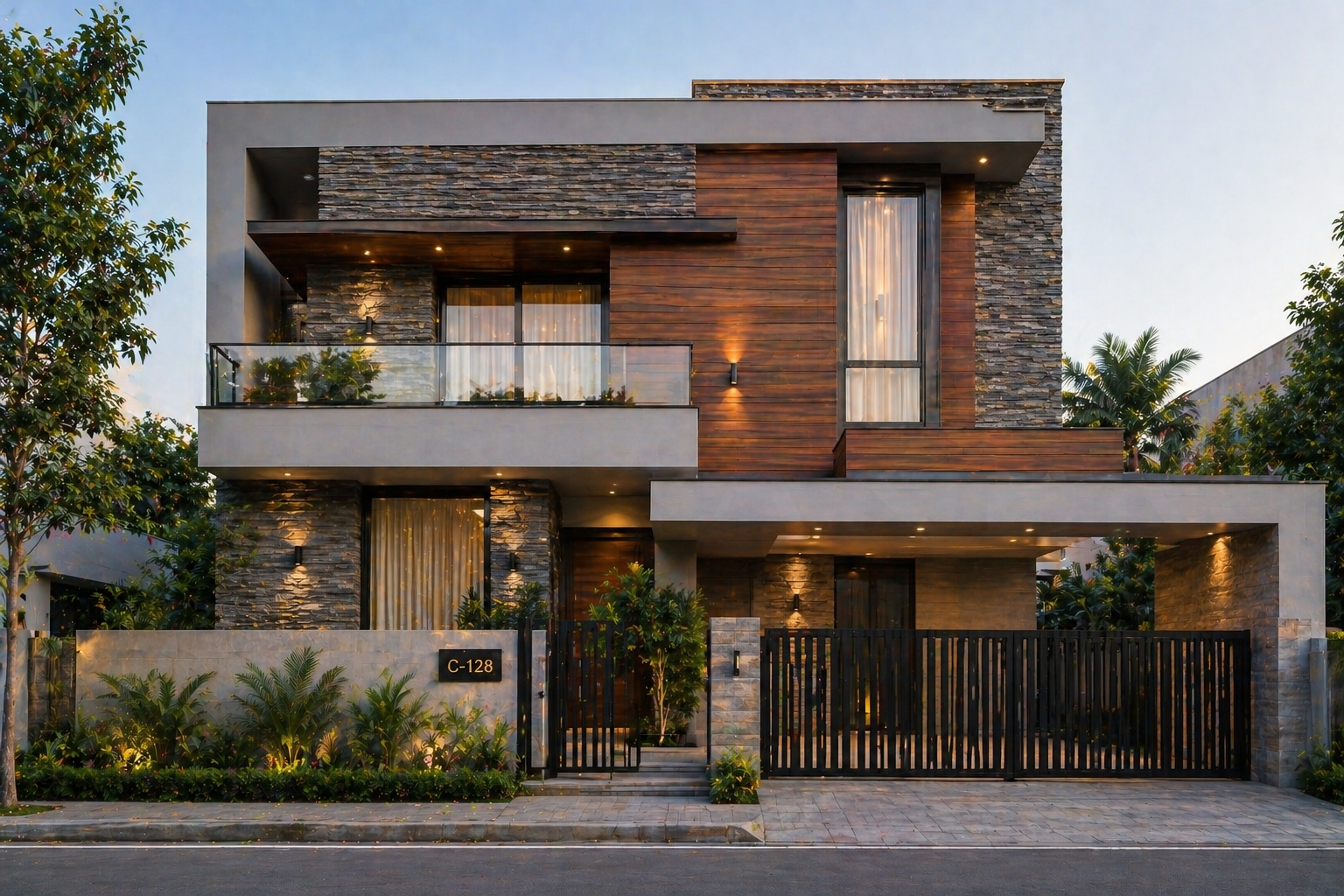
The Biggest Threat to Any Building Isn’t Time—It’s Weather
Every building faces a constant battle against nature. Whether it’s heavy monsoon rains, scorching summer temperatures, intense sunlight, or changing humidity levels, exterior surfaces endure significant stress throughout the year.
Many traditional exterior materials look attractive when newly installed, but over time they begin to fade, crack, peel, warp, or deteriorate due to continuous exposure to harsh environmental conditions.
This is why architects, builders, and property owners are increasingly choosing High-Pressure Laminate (HPL) sheets for exterior applications. Designed specifically to withstand challenging climates, HPL sheets offer long-lasting protection while maintaining their appearance for years.
As modern construction moves toward durable and low-maintenance solutions, HPL sheets have become one of the most trusted materials for protecting buildings from rain, heat, and UV damage.
Understanding the Impact of Weather on Building Exteriors
Before exploring the benefits of HPL sheets, it’s important to understand how environmental conditions affect building surfaces.
Rain and Moisture Damage
Water is one of the most common causes of exterior deterioration.
When moisture penetrates building materials, it can lead to:
- Surface swelling
- Cracking
- Mold growth
- Structural weakening
- Staining and discoloration
In regions with heavy rainfall, poorly protected facades often require frequent repairs and maintenance.
Extreme Heat
High temperatures can gradually affect the performance of exterior materials.
Common problems include:
- Expansion and contraction
- Surface distortion
- Material fatigue
- Reduced lifespan
Buildings exposed to intense sunlight for long periods face even greater challenges.
UV Radiation
Ultraviolet rays continuously impact exterior surfaces.
Over time, UV exposure can cause:
- Color fading
- Surface degradation
- Loss of finish quality
- Reduced visual appeal
This is particularly noticeable in painted surfaces and untreated wood.
What Makes HPL Sheets Different?
High-Pressure Laminate sheets are manufactured using multiple layers of kraft paper and decorative papers compressed under extremely high pressure and temperature.
The result is a dense, durable, and weather-resistant panel designed for exterior applications.
Unlike conventional materials, exterior-grade HPL sheets are engineered specifically to resist environmental damage while maintaining both structural integrity and appearance.
How HPL Sheets Protect Against Rain
Moisture Resistance
One of the primary advantages of exterior HPL sheets is their low water absorption rate.
The compact structure created during manufacturing prevents excessive moisture penetration.
This helps protect buildings from:
- Swelling
- Warping
- Delamination
- Surface deterioration
Reliable Performance During Monsoons
In countries like India, where monsoon seasons can be particularly harsh, exterior surfaces must withstand prolonged exposure to rain.
HPL sheets maintain their performance even during heavy rainfall, making them ideal for residential and commercial facades.
Prevention of Mold and Mildew
Because moisture does not easily penetrate the surface, HPL sheets help reduce conditions that encourage mold and mildew growth.
This contributes to a cleaner and healthier exterior environment.
Protection Against Extreme Heat
Thermal Stability
Modern HPL sheets are designed to handle significant temperature variations.
Whether exposed to intense summer heat or cooler seasonal conditions, they maintain dimensional stability.
This reduces the risk of:
- Cracking
- Expansion-related damage
- Surface distortion
Long-Term Structural Integrity
Continuous heat exposure often weakens conventional exterior materials over time.
HPL sheets are engineered to retain their strength and appearance even after years of environmental exposure.
This makes them particularly valuable in regions with hot climates and prolonged sunshine.
Resistance to UV Damage
Advanced UV Protection Technology
One of the biggest reasons HPL sheets are widely used in exterior architecture is their UV-resistant surface technology.
This protective layer helps shield decorative finishes from harmful sunlight.
Color Retention
Unlike painted surfaces that may fade significantly over time, quality HPL sheets are designed to retain their original appearance for years.
This means:
- Consistent color performance
- Reduced maintenance requirements
- Better long-term aesthetics
Preservation of Wood-Finish Designs
Wood-finish HPL sheets are especially popular because they combine natural timber aesthetics with enhanced UV resistance.
Property owners can enjoy the appearance of wood without worrying about rapid fading or weather-related deterioration.
Why Architects Prefer HPL Sheets for Exterior Projects
Modern architects must balance aesthetics with functionality.
Exterior materials are expected to:
- Look attractive
- Perform reliably
- Require minimal maintenance
- Deliver long-term value
HPL sheets meet all of these requirements.
Their ability to withstand rain, heat, and sunlight while maintaining visual appeal makes them a practical solution for contemporary architecture.
This is why HPL cladding is increasingly seen on:
- Luxury villas
- Residential elevations
- Commercial buildings
- Hotels and resorts
- Educational institutions
- Corporate offices
Additional Benefits Beyond Weather Protection
Low Maintenance
Unlike wood or painted surfaces, HPL sheets do not require frequent refinishing or repainting.
Simple cleaning is often enough to maintain their appearance.
Impact Resistance
Exterior-grade HPL panels are highly durable and resistant to everyday wear and tear.
Design Flexibility
Available in a wide range of colors, textures, and wood-inspired finishes, HPL sheets allow architects to achieve virtually any design vision.
Long Service Life
Durability translates into reduced replacement costs and better overall investment value.
Why Builders Trust HPLMaker for Exterior Applications
Choosing the right manufacturer is just as important as selecting the right material.
HPLMaker has established itself as a trusted provider of premium exterior-grade HPL sheets designed to perform in challenging environments.
Its product range is developed to address key concerns such as:
- Heavy rainfall exposure
- High temperatures
- UV radiation
- Long-term facade durability
Architects and contractors choose HPLMaker because it combines modern aesthetics with dependable performance.
Explore premium exterior cladding solutions at HPLMaker Official Website.
Sustainable Construction Through Durability
One of the most overlooked aspects of sustainable construction is longevity.
Materials that last longer require fewer replacements and generate less waste over time.
Organizations such as the World Green Building Council emphasize the importance of durable building materials in creating more sustainable structures.
By offering extended service life and reduced maintenance requirements, HPL sheets support modern sustainability goals while delivering excellent performance.
Final Thoughts
Weather is one of the most powerful forces affecting the lifespan of any building. Rain, heat, and UV radiation continuously challenge exterior surfaces, making material selection a critical decision.
HPL sheets provide a reliable solution by combining durability, weather resistance, UV protection, and aesthetic versatility in a single product. Their ability to maintain appearance and performance under harsh environmental conditions has made them a preferred choice for modern construction projects.
For homeowners, architects, and builders looking for a facade solution that balances style and protection, HPLMaker’s exterior-grade HPL sheets offer a smart and future-ready investment.
A well-designed exterior should do more than look good—it should stand strong against the elements for years to come.