
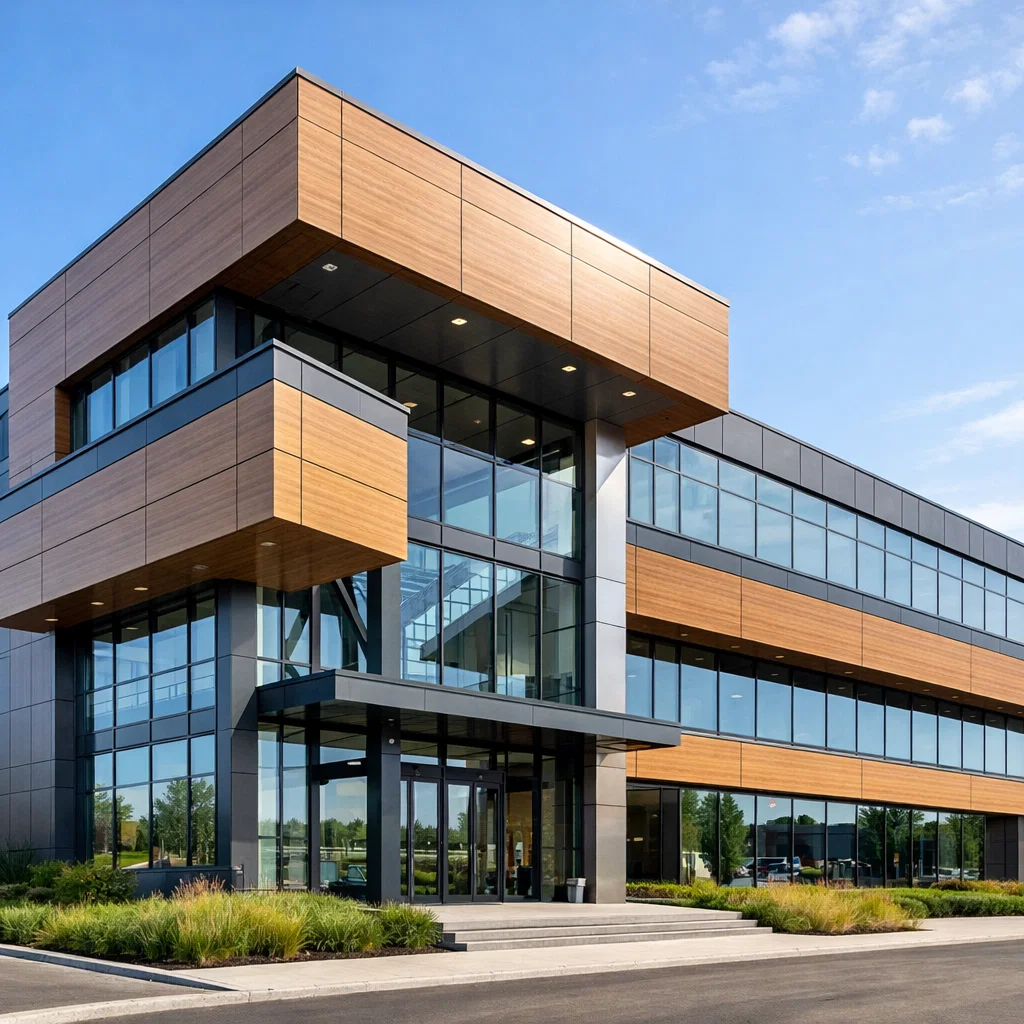
Sustainability has moved from a buzzword to a real consideration in construction, and rightly so. More architects, builders and homeowners want materials that align with greener values. So where does HPL fit into this picture? The answer is more positive than many expect, largely because of how long it lasts. Let us take an honest look at HPL and sustainability.
Why durability is a green virtue
One of the most important and underappreciated aspects of sustainability is longevity. Every time a material fails and has to be replaced, it consumes new resources, energy and effort, and generates waste. A material that lasts for decades avoids those repeated cycles. HPL’s exceptional durability means facades, gates and surfaces do not need frequent replacement, which significantly reduces the long-term resource consumption associated with a building. In this sense, durability is itself a form of sustainability.
Less maintenance, lower impact
HPL’s low-maintenance nature also has an environmental angle. Materials that need regular repainting, sealing or chemical treatment consume resources and often involve products with their own environmental footprint, again and again over the years. HPL largely avoids this. Because it needs little more than occasional cleaning, it sidesteps the ongoing consumption of paints, sealants and treatments that other materials require. Over a building’s life, that adds up to a meaningfully lighter footprint.
Replacing scarce natural materials
Wood-finish HPL deserves special mention here. By delivering the look of timber without using large amounts of natural wood, it reduces pressure on forest resources. Choosing a durable wood-look HPL surface over real timber, especially for applications where wood would deteriorate and need replacing, can be a more resource-conscious decision. You get the aesthetic without the same demand on natural wood.
Energy and the building envelope
The way HPL is often installed, as part of a ventilated facade system with a cavity behind the panels, can contribute to a building’s thermal performance. A well-designed facade helps manage heat and protect the structure, which can support energy efficiency. While the specifics depend on the overall building design, a thoughtfully clad exterior is part of creating a comfortable, efficient building envelope.
Longevity reduces waste
Construction and demolition waste is a significant environmental problem. Materials that fail early end up in landfill and must be replaced, doubling the impact. HPL’s long lifespan means less frequent disposal and replacement, reducing the waste stream associated with a building over time. Choosing materials that last is one of the most practical ways to build more responsibly.
An honest perspective
It is fair to be balanced. Like any manufactured material, HPL involves resources and energy to produce, and it is made with resins and papers rather than being a purely natural product. Sustainability is rarely about finding a perfect material; it is about making sensible choices across the whole lifecycle. HPL’s strong case rests primarily on its durability, longevity and low maintenance, which reduce repeated consumption and waste over the decades a building stands.
Making greener choices with HPL
To get the most sustainable outcome, choose quality exterior-grade HPL that will genuinely last, install it properly so it achieves its full lifespan, and use it to replace materials that would otherwise need frequent replacement. Working with a reputable manufacturer that values quality helps ensure you are getting a product built to endure, which is the heart of HPL’s environmental benefit.
The bottom line
Is HPL an eco-friendly choice? In the most meaningful sense, yes: its outstanding durability, long lifespan and low maintenance mean less replacement, less repeated resource use and less waste over a building’s life. Combined with its ability to reduce demand on natural timber, this makes HPL a sensible option for those building with sustainability in mind. Choosing materials that last is one of the greenest decisions you can make, and HPL lasts.
Talk to HPL Maker
HPL Maker is one of India’s leading high pressure laminate manufacturers, based in Indore and trusted by architects, builders and homeowners across the country. Every sheet is backed by an industry-first up-to-25-year live camera warranty and complete local support. To get the right shade and the best price for your project, call +91 89824 90236 or write to marketing@hplmaker.com.